
Industry & Business
The Follow-Up Is Not a Nudge — It's Part of the Performance
Most performers go silent the second they leave the room. A good follow-up is not begging. It is a second scene, and it has timing, language, and boundaries.
Performer. Creator. Storyteller.
Most performers go silent the second they leave the room. A good follow-up is not begging. It is a second scene, and it has timing, language, and boundaries.

No one schedules a performance review for a freelance career. So put one on the calendar yourself. These four questions — bookings, energy, craft, and relationships — make the chaos legible.

Self-tapes were sold as access, then quietly became another unpaid crew job. Here is a practical way to make tapes that feel alive without turning your apartment into a post-production suite.
Not every difficult collaborator is making you better. Knowing the difference between a challenge that grows you and a dynamic that diminishes you is one of the most important — and most overlooked — skills in a performer's toolkit. Here's how to tell them apart.
You've got the credits, the callbacks, and the receipts — and yet some voice in the back of your head keeps insisting it was all a lucky accident. Imposter syndrome hits performers differently, and understanding why is the first step to actually getting out from under it.

The conventional wisdom says get good first, then get visible. But what if waiting until you feel ready is actually slowing down the very growth you're waiting for? The timing question around building a platform while still developing your craft is more complicated — and more urgent — than most performers realize.
Some of the most essential work in entertainment happens in rooms where nobody's watching and on credits nobody reads. Background vocalists, stand-ins, voice doubles, ADR performers — these are the people who quietly make everything better, and rarely get thanked for it. This one's for them.

The industry loves to put performers in boxes — singer, actor, dancer, done. But the people who are genuinely hard to replace are usually the ones who don't fit neatly into any single category. Your weird combination of skills isn't a liability. It might be the most valuable thing about you.
Building a personal brand in entertainment doesn't have to feel like selling a version of yourself you barely recognize. There's a real difference between showing up strategically and slowly becoming a performance of who you used to be. Here's how to stay grounded while still getting seen.

The entertainment industry has spent decades telling performers to specialize, stay in their lane, and choose one identity. But the data — and the careers of some of the most working artists out there — tell a completely different story. Being good at multiple things might actually be your greatest strategic asset.

Performers are told to develop thick skin, shake it off, and move on — but that advice ignores something crucial: rejection is a physiological event, not just an emotional one. If you've ever wondered why willpower alone never seems to be enough, this is the piece that might finally explain why.

Every time you open Instagram and see another performer booking their dream role, something subtle happens inside your creative brain — and it's not motivation. Understanding the psychological mechanics of comparison is the first step toward protecting the artistic voice that makes you irreplaceable.

You've spent years trying to sand down your edges and fit the mold — and it hasn't worked, has it? Here's a different theory: the thing that makes you strange might be the most valuable thing you have. This is for the performers who've never quite fit the template, and why that's actually the advantage they've been overlooking.

You spent years perfecting your craft. You trained, you studied, you put in the reps. But somewhere between the conservatory and the real world, nobody mentioned the other set of skills — the ones that determine whether your talent actually pays the bills. Let's talk about what performance schools skip and why it matters more than you think.
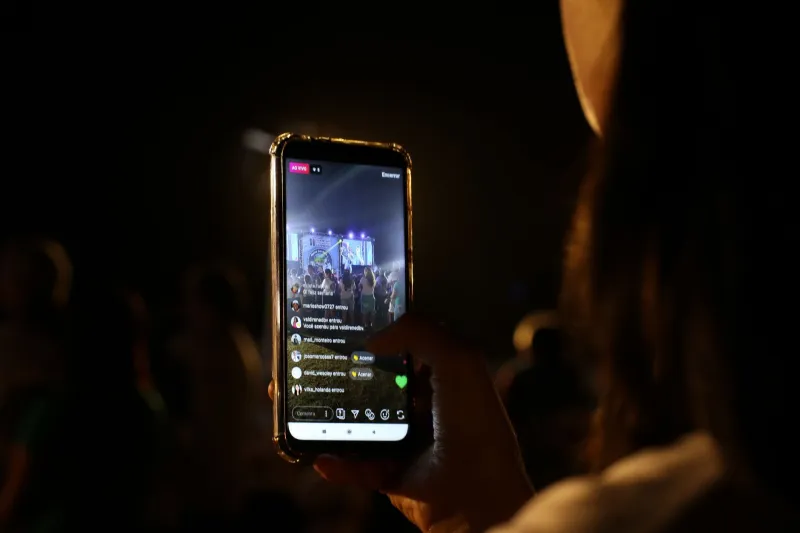
Scrolling through your feed and feeling like everyone got the memo except you? That creeping sense that you're somehow behind is one of the most damaging lies the industry tells performers. Here's how to stop measuring your story against someone else's highlight reel and start building a career that actually fits your life.

Landing the role you've been chasing for years should feel like the finish line. But for a lot of performers, the moment they finally get it, something unexpected happens — and it's not a celebration. Here's what nobody tells you about achieving the thing you wanted most.
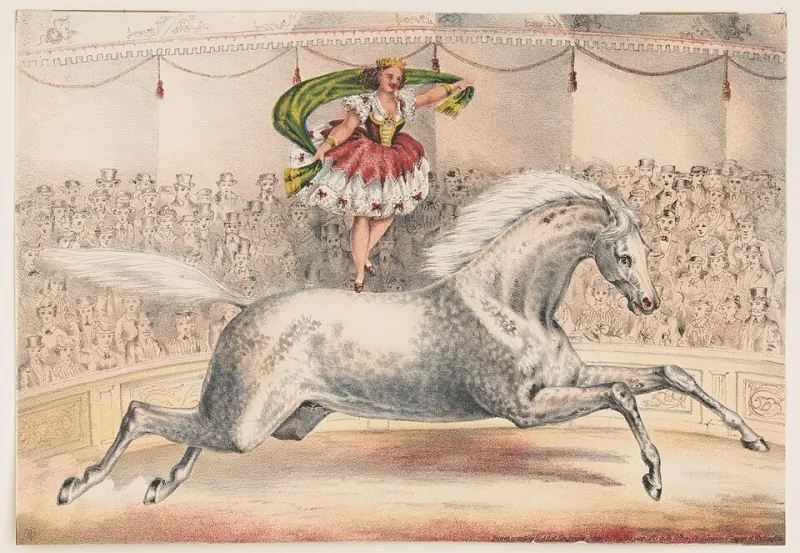
Leaving performance doesn't mean quitting — sometimes it means finally figuring out where you actually belong. The skills you built in the spotlight don't disappear when you step out of it. They just find a new place to live.
The very traits that make you magnetic offstage — your adaptability, your drive for perfection, your instinct to keep everyone happy — can quietly work against you when it matters most. Understanding why these patterns form, and how to redirect them, might be the most important creative work you ever do.

The flashy roles get the Instagram posts, but the scrappy, unglamorous gigs? Those are where the real skill-building happens. Here's why your so-called B-list opportunities might be the most important career moves you make.

The audition you didn't book. The gig that evaporated. The pivot you never saw coming. What if those detours weren't derailments at all — but the actual path? Here's why the messiest chapters of a performer's journey often produce the most extraordinary work.