Your Self-Tape Doesn't Need a Cinematographer

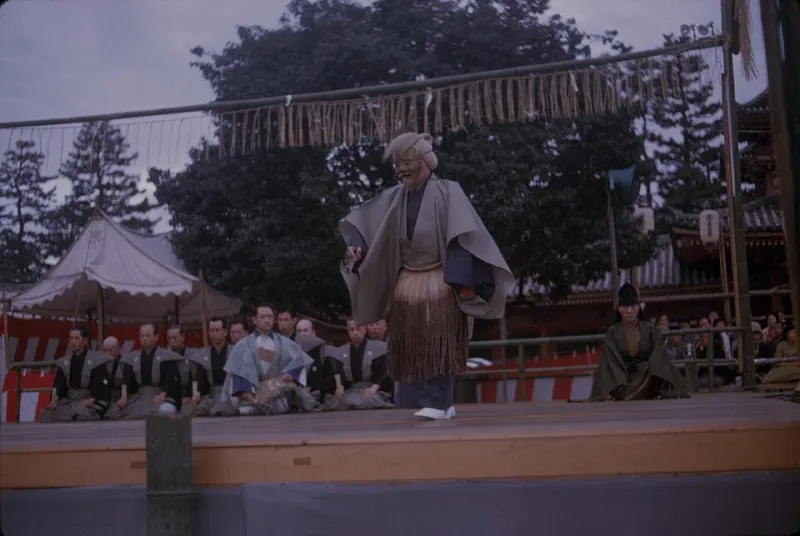
Photo: Geerk55l7, CC BY-SA 4.0, via Wikimedia Commons
The first time someone told me to just shoot a self-tape, I laughed. I had a phone, a blank wall, and roughly forty minutes before my roommate started vacuuming. That was the whole setup. Somewhere between then and now, the self-tape turned into a one-person film crew. You are expected to frame, light, record clean sound, choose a background, slate, edit, compress, upload, and look effortless while doing it. Usually after a shift. Usually at 11 p.m. Usually with a reader who is also your friend and also tired.
The self-tape was supposed to widen access. In many ways it did. You can audition from a small town, a hotel, or a friend's kitchen. But access came with hidden labor. The tape is no longer just a performance. It is a technical deliverable. And when every performer is also a cinematographer, the people with the most time, gear, and help start to look like the most talented. That is not the same thing.
The Crew Job You Never Auditioned For
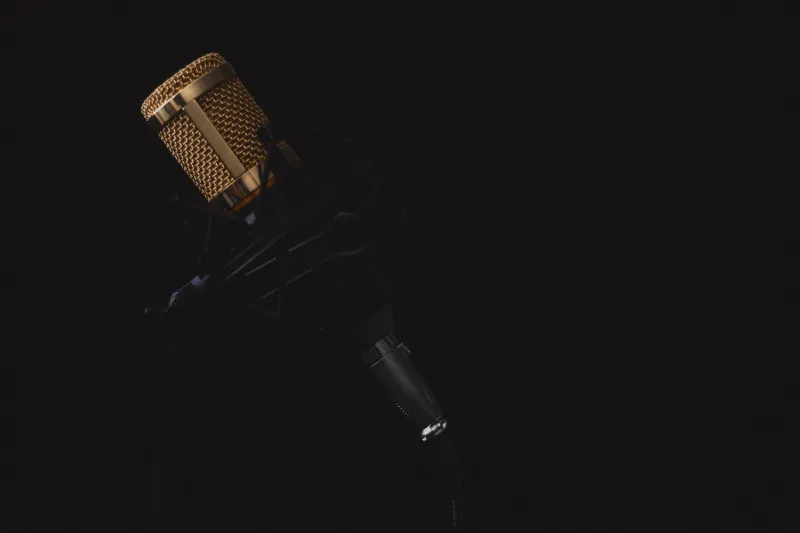
Somewhere along the way, the standard self-tape stopped being a clean capture of a person doing a scene. It became a short film. We are told to use a quality camera, a external mic, a ring light, a neutral backdrop, a reader on Zoom, and a slate at the top. None of those instructions are evil on their own. Put them together, though, and you have created a second job that nobody pays you for.
The labor is not just technical. It is emotional. You film three takes, watch them back, hate your face, refilm, notice the lamp is buzzing, refilm, realize your neighbor is playing music, refilm. By the time you upload, you are not thinking about the character anymore. You are thinking about whether the file will be too large. That is a terrible place to make art from.
What Over-Production Actually Costs
A polished tape can hide a lot. It can hide a lack of preparation. It can hide bad listening. It can hide the fact that you are not actually in the scene with your reader. But polish can also hide you. When the lighting is perfect and the sound is clean and the background is a tasteful gray, the casting director still has to find the human being inside the frame. If you have spent all your energy building the frame, the human being may not show up.
The other cost is time. A self-tape that takes six hours is not a neutral event. It is six hours you did not spend on a class, a rehearsal, a side gig, or sleep. If you are doing that twice a week, you are running a small production company for free. That is not sustainable, and it is not the job.
A Three-Pass Framework for Tapes That Breathe
Here is the system I wish someone had handed me years ago. It is not fancy. It is designed to keep you from disappearing into the technical weeds.
Pass 1: The Story Pass
Do one take with no playback. No stopping. No fixing. Just make choices and move through the scene. This pass is not for submitting. It is for getting the performance out of your body so you are not discovering the scene for the first time while the red light is on.
Pass 2: The Room Pass
Set up the room in twenty minutes or less. Pick one light source. Put the phone at eye line. Get the sound as close to your face as you can without it being weird. Clear the frame of laundry, mail, and anything that distracts from your face. Then stop. The room pass is done when the room is good enough, not when it is perfect.
Pass 3: The Alive Pass
Record two or three takes. Do not watch them all back. Pick the one where you were most present, even if your hair moved or the lamp was slightly bright. Send that one. The goal is not a flawless tape. The goal is a tape that makes someone want to see what you do next.
The 11 p.m. Problem
Most performers are not shooting self-tapes at 2 p.m. on a Tuesday with a full crew. They are shooting them after work, after class, after putting a kid to bed, after a shift that already took everything out of them. That matters. A tired performer making a tape at midnight is not the same as a rested performer making a tape at noon. If you can move your tape earlier, do it. If you cannot, lower the bar on purpose. Give yourself permission to send a good tape instead of a great one. Casting is not grading your lighting design.
What Casting Is Actually Looking For
They are looking for the person. They are looking for choices. They are looking for someone who can hold the frame without begging it for approval. A clean, simple tape does that better than a busy one. You do not need a cinematic look. You need a clear look. You do not need a perfect reader. You need a reader who is not acting at you. You do not need a post-production workflow. You need a file that plays.
Take Back the Frame
The self-tape is a tool. It is not a personality test, and it is not a measure of your worth as an artist. The next time you get a request, ask yourself one question: what is the smallest setup that lets me do the scene honestly? Then build that. Not the biggest setup. Not the most impressive setup. The smallest one that works.
You are a performer. You are not a cinematographer, a sound engineer, or a one-person post house. Put the phone down when the scene is alive. That is the take. That is the job.