The Art of Selective Openness: Sharing Yourself Without Giving Yourself Away
Somewhere along the way, "be authentic" became the creative industry's most overused and least examined advice. Everyone says it. Far fewer people talk about what it actually means in practice — or more importantly, what it costs when you do it without intention.
I've watched incredibly talented people build audiences through radical self-disclosure, only to find themselves emotionally depleted, creatively stuck, or trapped in a public narrative that no longer reflects who they actually are. And I've watched others hold everything so close to the chest that their work never quite connects — technically polished but somehow distant.
The sweet spot lives between those two extremes. And getting there is less about following rules and more about developing a genuine relationship with your own story.
Vulnerability Is a Craft Skill, Not a Personality Trait
Let's start here, because I think it reframes everything: vulnerability in creative work isn't about being an emotionally open person. It's a skill. A technique. Something you can develop, refine, and deploy with intention — just like timing, projection, or visual storytelling.
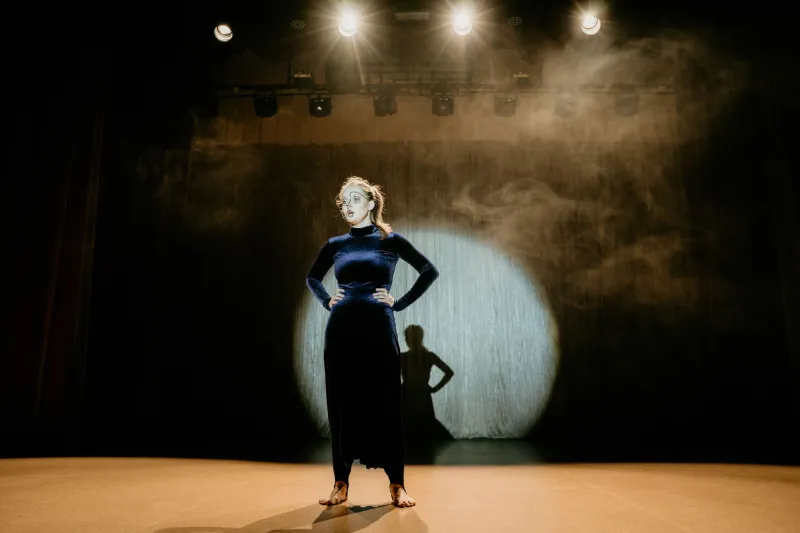
The most compelling performers you've ever watched weren't just accidentally raw. They had learned — often through years of practice and failure — exactly how much of themselves to put in the room, and when. They understood that the goal isn't to confess everything. The goal is to create resonance. And resonance comes from truth, not volume.
A story about a small, specific, deeply felt moment of self-doubt will connect with an audience more powerfully than a sweeping declaration of all your struggles. Specificity is intimacy. Specificity is craft.
Choosing Which Stories Are Yours to Tell Publicly
Not every true story is a story you should tell. That sounds obvious, but in the age of social media, where the pressure to share constantly is relentless, it bears repeating.
Here's a filter I find genuinely useful: Has this story finished happening to you?
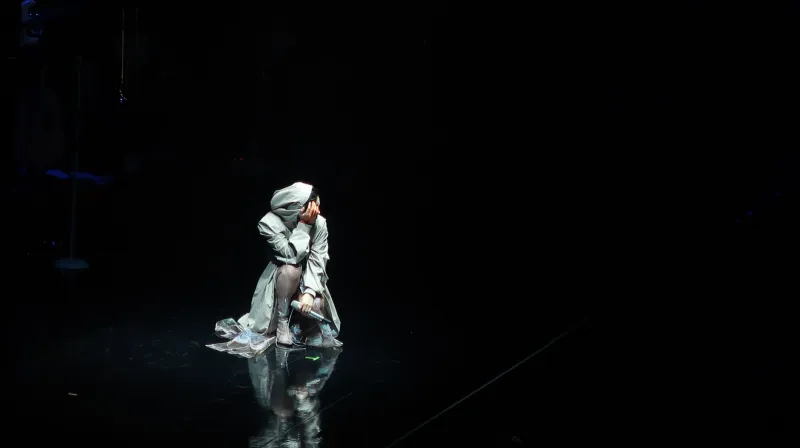
Sharing something you're still actively in the middle of — a grief that's fresh, a conflict that's unresolved, a wound that hasn't scabbed over yet — puts you in a vulnerable position that performance can't protect you from. Audiences can feel when someone is bleeding in real time versus when they're sharing something that has been processed, integrated, and turned into something useful. The first can feel raw and uncomfortable in a way that actually distances people. The second is where the real connection happens.
That doesn't mean you need years of therapy before you can share anything personal. It means asking yourself: Do I have enough distance from this to be the narrator, not just the subject?
The Oversharing Trap (And Why It Looks Like Connection)
Here's something sneaky about oversharing: it often feels like it's working. You post something deeply personal and the comments flood in. The engagement spikes. People DM you saying they've never felt so seen. It's intoxicating.
But there's a difference between an audience that's engaged and an audience that's consuming your pain as entertainment. And if you're not careful, you can build an entire creative identity around emotional exposure that eventually requires you to keep escalating — sharing more, going deeper, being more raw — just to maintain the same level of response.
That's not sustainable. And more importantly, it's not actually authentic. At that point, you're performing vulnerability rather than expressing it, which is its own kind of inauthenticity.
The creators and performers who stay in the game for decades are the ones who figured out how to be selectively open. They share enough to build genuine trust and connection. They protect enough to maintain their own interior life — the private, unshared space that actually feeds their creative work.
Building Your Personal Disclosure Framework
So how do you figure out where your lines are? Here are some questions worth sitting with:
Does sharing this serve the work or just me? Sometimes we want to share something because it feels good to be seen, or because we're hoping for validation. That's human. But the most powerful personal disclosures in creative work are the ones that serve the audience — that give them something to hold onto, reflect on, or feel less alone about.
Would I be okay if this became the thing I'm known for? The internet has a long memory. If a personal story goes wide, you may find yourself associated with it in ways you didn't anticipate. That's not a reason to never share anything, but it's worth asking: Is this the version of my story I want to carry publicly for a while?
Am I protecting other people who are part of this story? Our personal narratives almost always involve other people who didn't sign up to be characters in our public creative work. That's worth thinking about carefully — not as a reason to stay silent, but as a reason to be thoughtful about how you frame and share.
Magnetism Doesn't Require Martyrdom
There's a cultural mythology in entertainment that the most compelling artists are the ones who suffer the most and share it most freely. That mythology is both romanticized and genuinely harmful.
You don't have to perform your pain to earn your audience's trust. You don't have to give people access to your worst moments to prove you're real. What actually creates magnetism is specificity, honesty, and presence — all of which can come from a place of relative wholeness rather than ongoing crisis.
Some of the most relatable, beloved performers working today share relatively little about their private lives. What they do share is precise and felt — a specific observation, a moment of genuine humor about something difficult, a flash of real emotion in the middle of an otherwise professional context. That precision is what sticks.
Protecting the Source
Here's the thing about your inner life: it's the source. It's where everything you make actually comes from. And if you pour it all into public consumption without protecting any of it, you will eventually find yourself with nothing left to make work from.
Selective openness isn't about being guarded or calculating. It's about respecting the creative well enough to keep some of the water in it.
Share generously. Share honestly. Share in ways that build something real with your audience. But also keep some things just for you — the private observations, the unfinished thoughts, the stories still becoming themselves. Those aren't things you're withholding. They're things you're protecting.
And protecting your source is how you stay in this for the long haul.