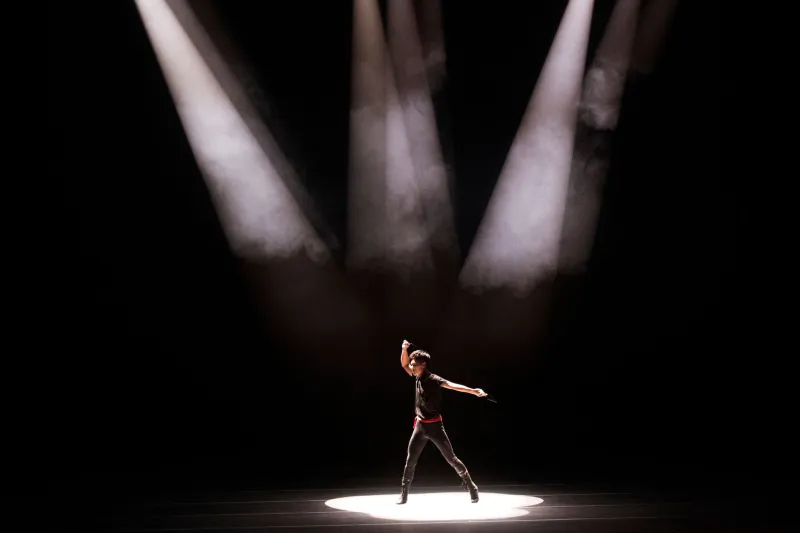
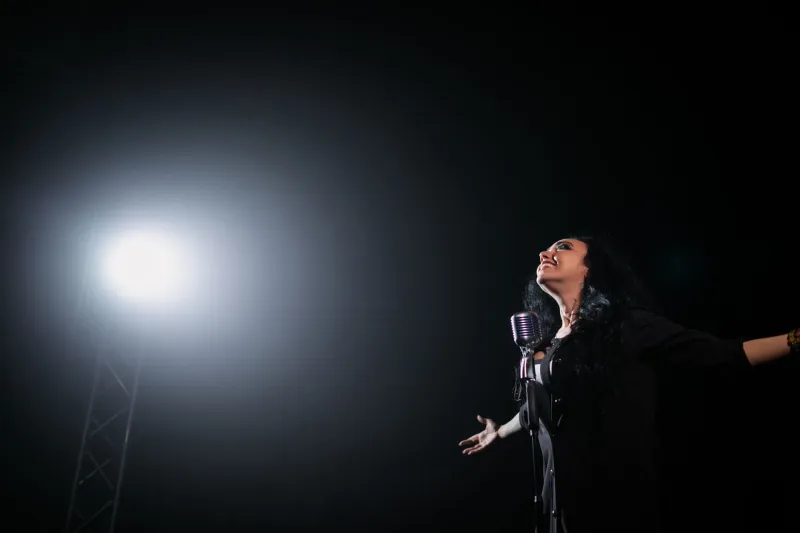
What the Wings Taught Me That the Spotlight Never Could
Let's be honest about something most performers don't want to admit out loud: not getting the lead kind of wrecks you. You smile through the callback results, you congratulate whoever did get it, and then you go home and spend an uncomfortable evening questioning every choice you've ever made. It stings. Full stop.
But here's the thing nobody tells you while you're in the middle of that sting — the role you didn't get might be doing more for your career than the one you wanted ever could.
This isn't a pep talk dressed up as industry insight. It's actually the opposite of what we usually hear, which is why it's worth paying attention to.
The View From the Wings Is Irreplaceable
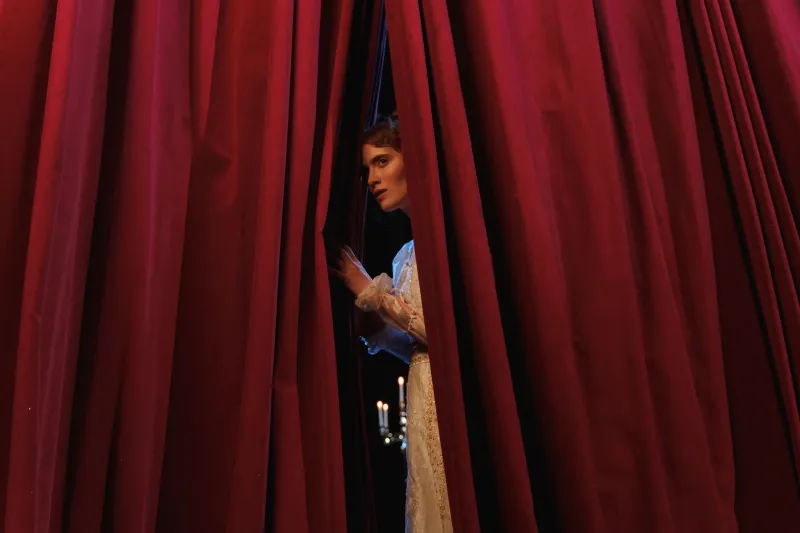
When you're not the one carrying the scene, you get to watch the scene. And watching — really watching, with intention — is one of the most underrated forms of craft development in the entire performance world.
Think about what an ensemble performer absorbs over the course of a single production run. They see the lead make the same choices night after night. They notice when something lands and when it doesn't. They watch how different audiences respond to the same moment. They study what a director keeps redirecting versus what gets left alone. They learn the architecture of a performance from the outside in.
That's not a consolation prize. That's a masterclass.
Actors, dancers, and singers who come up through ensemble work often develop an almost architectural understanding of storytelling — they know how pieces fit together because they've been a piece. They understand pacing, breath, and spatial awareness in ways that someone who went straight to center stage simply hasn't had to develop yet.
Discipline Grows in the Quiet Moments
There's also something that happens to your work ethic when you're not the focal point. You have to find your own reasons to stay sharp. Nobody's watching you closely enough to notice if you phone it in — which means the only person holding you accountable is you.
For a lot of performers, that's where real discipline gets built.
Jamila, a musical theater performer based in New York, spent three years in ensemble roles before landing her first featured part. She'll tell you now that those three years were the foundation of everything. "I was never bored," she says. "I was always working on something — a character choice, a physical detail, a moment I was trying to make more specific. Nobody asked me to do that. I just couldn't turn it off."
That kind of intrinsic motivation — the drive to keep developing even when no one's looking — is exactly what separates performers who have a long career from those who flame out after their first big break.
Resilience Isn't Built in the Good Times
Here's the part that's harder to sit with: being passed over repeatedly does something to your relationship with rejection that no amount of success coaching can replicate. It teaches you, on a cellular level, that you can survive it. That the work continues. That your value isn't contingent on a single casting decision.
Performers who got cast young and often sometimes hit a wall later in their careers when the roles start getting harder to land. They haven't built up the psychological scar tissue that comes from years of hearing "not this time." When the dry spells come — and they come for everyone — they don't have the internal framework to weather them.
The performers who spent time in the background? They've already lived through that. They know how to keep going when the external validation goes quiet.
Marcos, a Chicago-based actor who now works steadily in regional theater and television, credits his early ensemble years with giving him what he calls "a long game mentality." "I wasn't getting the parts I wanted, so I had to find meaning in the process itself," he says. "And once you find that, you stop being at the mercy of casting directors for your sense of purpose."
Observation Is a Skill, Not a Personality Trait
One of the quieter advantages of spending time in supporting roles is what it does to your observational instincts. You get very good at reading rooms, reading scenes, reading people. You develop peripheral awareness — not just of where you are in the space, but of how every other element in the room is functioning.
That awareness shows up in your work in ways that are hard to quantify but immediately visible to anyone paying attention. Directors notice it. Casting teams feel it. Scene partners feel it.
Being a generous, present, spatially aware performer is enormously valuable, and it's a quality that tends to develop through years of being in service to a larger production rather than leading it.
The Slow Build Is Still a Build
We live in a culture that loves the overnight success story. The performer who got discovered at a coffee shop, the TikTok that went viral and launched a career, the first audition that turned into a Broadway debut. Those stories are real, and they're exciting, and they're also genuinely rare.
What's far more common — and far less Instagrammable — is the career that gets built slowly, role by role, through consistent work, accumulated skill, and a willingness to show up even when the part isn't glamorous.
The performers who stick around for twenty, thirty years in this industry? Most of them didn't skip steps. Most of them have a long list of ensemble credits, regional productions, understudy contracts, and supporting roles that nobody outside the business would recognize. And most of them will tell you that's exactly where they learned to do what they do.
So What Do You Do With This?
If you're currently in a place where the roles aren't coming the way you hoped, here's the reframe worth trying on: treat every production you're in as a research opportunity. Watch the leads. Study the choices. Ask yourself what's working, what isn't, and what you would do differently. Build your internal library.
Use the time in the wings to develop the habits — physical, mental, creative — that will support you when the spotlight does eventually land on you. Because the performers who are truly ready for it aren't the ones who wanted it most. They're the ones who kept working in the dark until they were.
The wings have a lot to teach. The trick is being willing to learn while you're standing in them.